Gemstone jewelry has a rich history dating back thousands of years, with ancient civilizations like the Egyptians, Greeks, and Romans adorning themselves with sparkling precious stones. The use of gemstones in jewelry can be traced back to the early days of human civilization, where these stones were believed to hold mystical powers and offer protection to the wearer.
One of the earliest known uses of gemstones in jewelry can be found in ancient Egypt, where precious stones like turquoise, lapis lazuli, and carnelian were used to create intricate pieces of jewelry worn by both royalty and commoners. These gemstones were not only prized for their beauty but also for their perceived spiritual and healing properties.
In ancient Greece, gemstone jewelry was often used as offerings to the gods and goddesses, with stones like amethyst, garnet, and pearl being considered sacred and imbued with special powers. The Greeks also believed that wearing gemstones could bring good luck and protection, leading to the widespread use of these stones in all forms of jewelry.
Modern Transformations
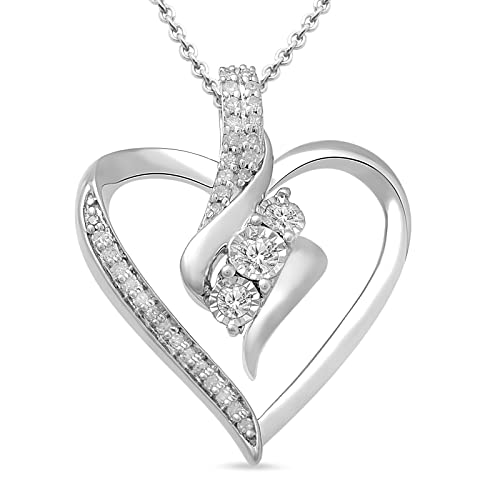
As we move into the 21st century, gemstone jewelry continues to evolve with the times. One of the most noticeable modern transformations in gemstone jewelry is the increased popularity of minimalist designs. Many jewelry designers are opting for sleek, simple settings that allow the beauty of the gemstone to take center stage. This shift towards minimalism is reflective of the current trend towards clean, understated aesthetics in the fashion world.
Another modern transformation in gemstone jewelry is the emphasis on sustainability and ethical sourcing. With consumers becoming more conscious of the environmental and social impact of their purchases, many jewelry companies are now using ethically sourced gemstones and recycled metals in their designs. This commitment to sustainability has not only fueled the demand for eco-friendly jewelry but has also sparked a wider conversation about responsible practices within the industry.
Technological advancements have also played a role in shaping the modern landscape of gemstone jewelry. Designers now have access to cutting-edge tools and techniques that allow them to create intricate, innovative pieces that were once thought to be impossible. From 3D printing to laser cutting, these technologies have opened up a world of possibilities for gemstone jewelry design, pushing the boundaries of what is achievable in terms of shape, texture, and overall aesthetic.
Cultural Influences
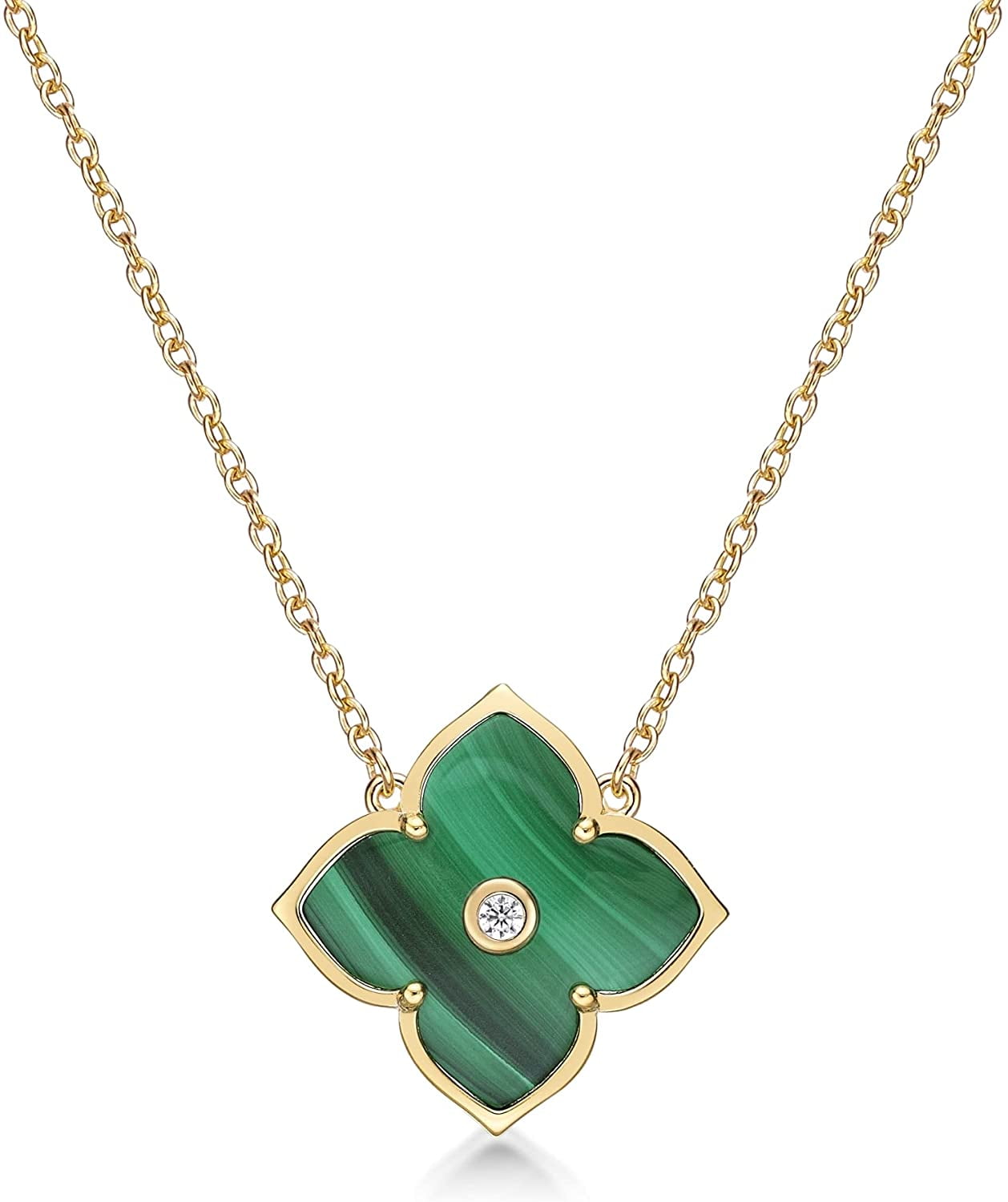
Gemstone jewelry has been a symbol of status, beauty, and culture throughout history. The evolution of gemstone jewelry has been heavily influenced by various different cultures around the world. In ancient Egypt, gemstones like turquoise and lapis lazuli were highly prized and used in intricate jewelry pieces. These gemstones were believed to have protective and healing properties, making them essential adornments for both the living and the deceased.
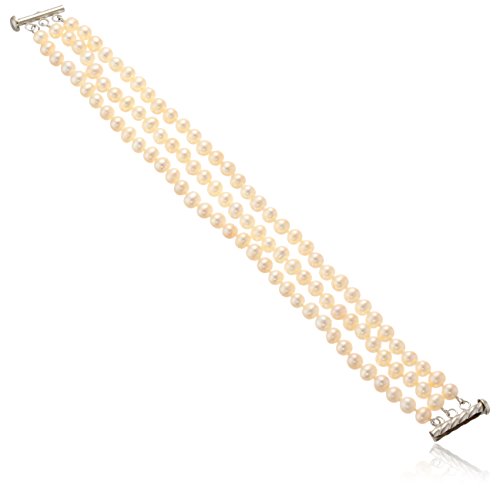
In ancient Rome, gemstone jewelry became a symbol of wealth and power, with emeralds, rubies, and sapphires adorning the crowns of emperors and empresses. The intricate designs and colorful gemstones showcased the opulence of the Roman elite. Fast forward to the Renaissance period in Europe, where gemstone jewelry saw a resurgence in popularity. The use of diamonds, pearls, and other precious gemstones became a way for nobles and royalty to display their wealth and social status.
In more recent times, cultural influences from around the world have continued to shape the evolution of gemstone jewelry. Traditional Indian jewelry, adorned with vibrant gemstones like rubies, emeralds, and sapphires, has gained popularity globally for its intricate designs and rich colors. Similarly, Native American jewelry, crafted with turquoise, coral, and other natural gemstones, continues to influence contemporary jewelry designs. The fusion of these diverse cultural influences has led to a vast array of gemstone jewelry styles and designs that cater to a wide range of tastes and preferences.
Future Trends
As we look towards the future of gemstone jewelry, there are several key trends that are emerging in the industry. One major trend is the rise of sustainable and ethically sourced gemstones. Consumers are becoming more conscious of where their jewelry comes from and are seeking out pieces that have been responsibly sourced.
Another trend that we are seeing is the use of technology in the design and creation of gemstone jewelry. 3D printing and CAD technology are revolutionizing the way that jewelry is made, allowing for intricate designs and custom pieces to be created with precision and speed.
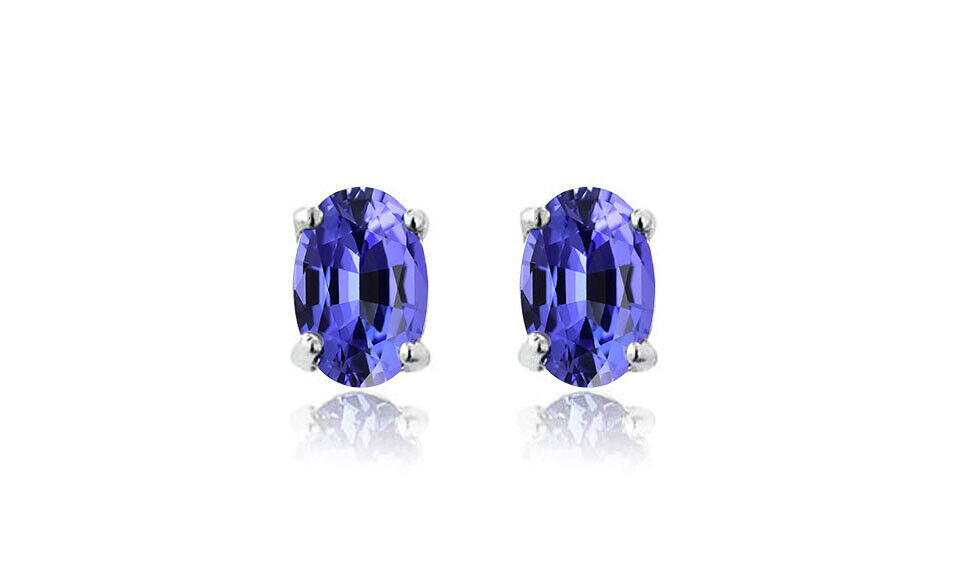
Additionally, we are seeing a shift towards more unique and unconventional gemstone choices in jewelry. While traditional stones like diamonds and emeralds will always be popular, consumers are increasingly drawn to more rare and unusual gems such as morganite, tanzanite, and tourmaline.
Overall, the future of gemstone jewelry is bright and exciting, with a focus on sustainability, technology, and creativity driving the trends in the industry. Whether you prefer classic elegance or bold statements, there is sure to be a gemstone jewelry trend that captures your attention in the years to come.